Paragould, Arkansas holds a fascinating collection of vintage landmarks that speak to the town’s past and its role in American roadside culture. From theaters and banks to diners and drive-ins, each structure tells a story about small-town life in the twentieth century. These places once brought people together, and today they remain reminders of history still visible on the streets.
Collins Theatre: From Vaudeville to Revival
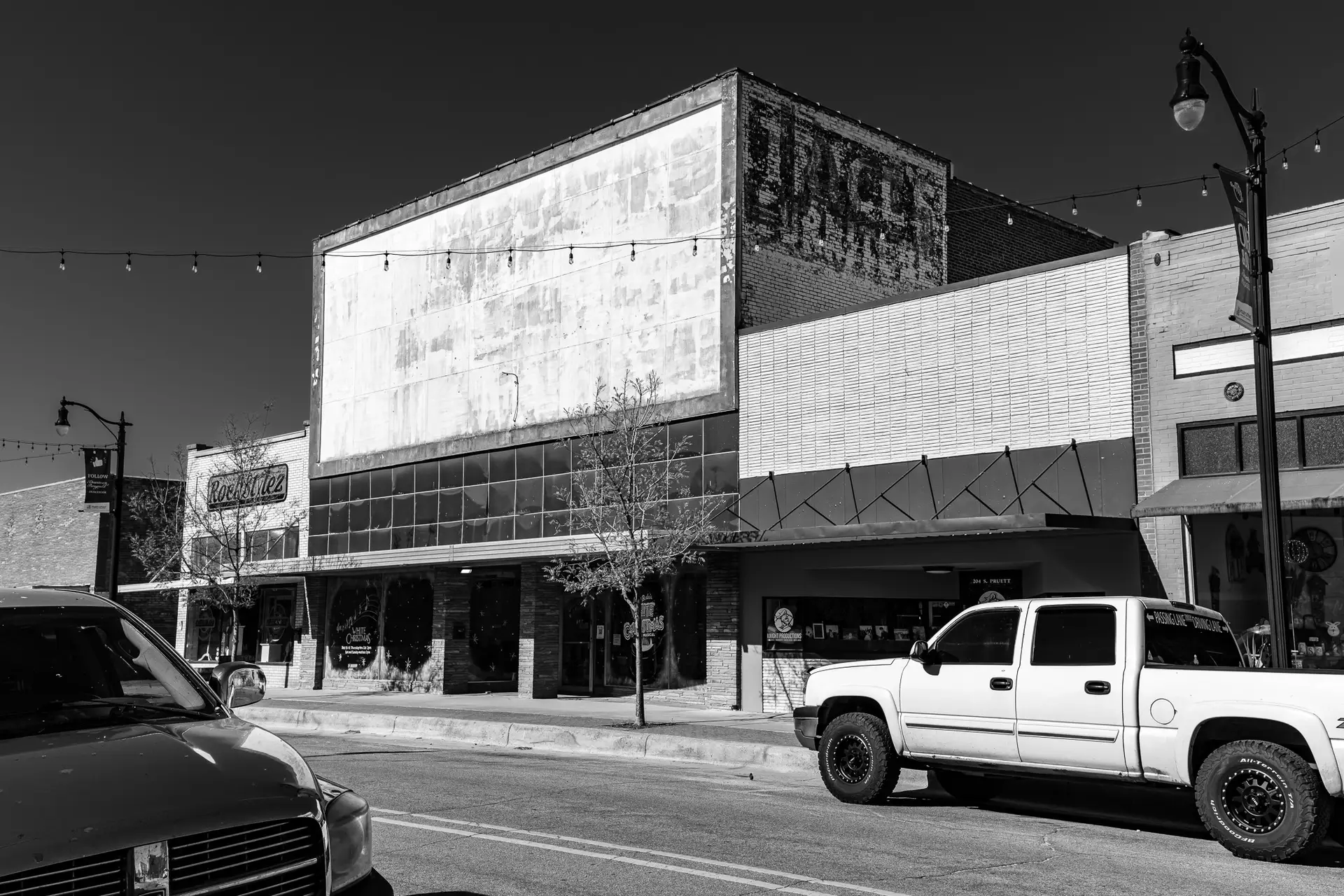
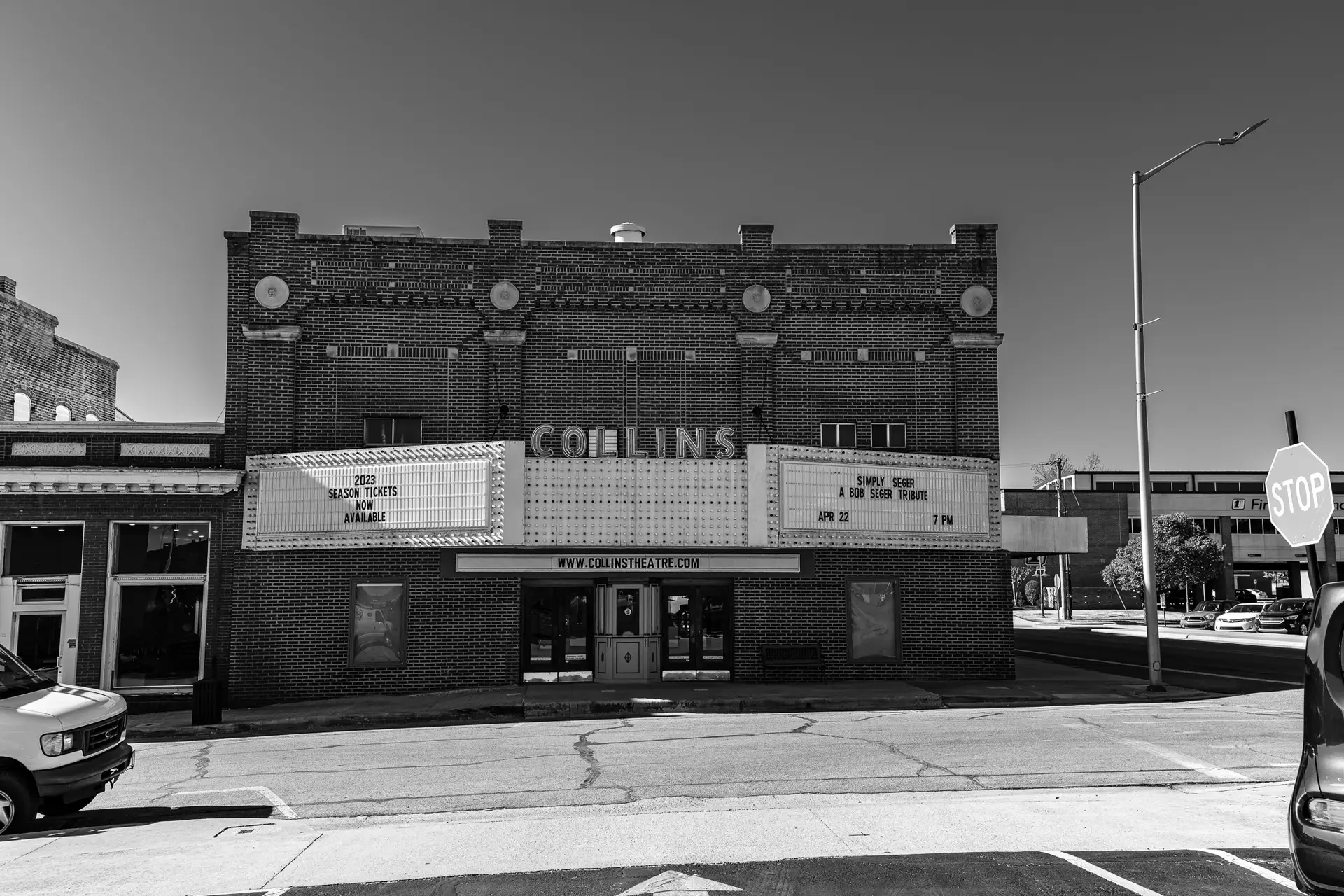
The Collins Theatre in Paragould has stood for more than a century as the town’s cultural centerpiece. It opened in 1925 as the Capitol Theatre. Locals soon renamed it for E. M. Collins, a businessman who helped restore and maintain it during the Depression. At the time, the building hosted vaudeville acts, stage plays, and the newest motion pictures. Families filled the seats, and the theatre gave them entertainment when few other options existed.
Collins Theatre: A Living Treasure
Its ornate façade and marquee added a sense of glamour to downtown Paragould. Generations came through its doors, making it a shared experience across decades. The crowds and performances have changed, yet the Collins remains a historic treasure. In addition, restoration projects and community events keep its stage alive. Today the theatre still connects residents to the long tradition of gathering together for art, film, and music.
The Trice Building: 206 South Pruett Street
The Trice Building on Court Street is one of Paragould’s enduring landmarks. Builders constructed it in the early twentieth century and named it for the Trice family. They played an active role in local commerce and civic life. The sturdy brick façade and tall windows gave the structure a sense of permanence. At the time, it made a statement that Paragould was a prosperous county seat. In addition, its location near the courthouse placed it at the heart of-
daily activity. Offices, retailers, and professional services filled its rooms. Over the years, tenants have changed, but the building has remained a steady part of downtown life.
Hurt Grocer Company: 109 East Court Street
Hurt Grocer Company: A Wholesale Anchor
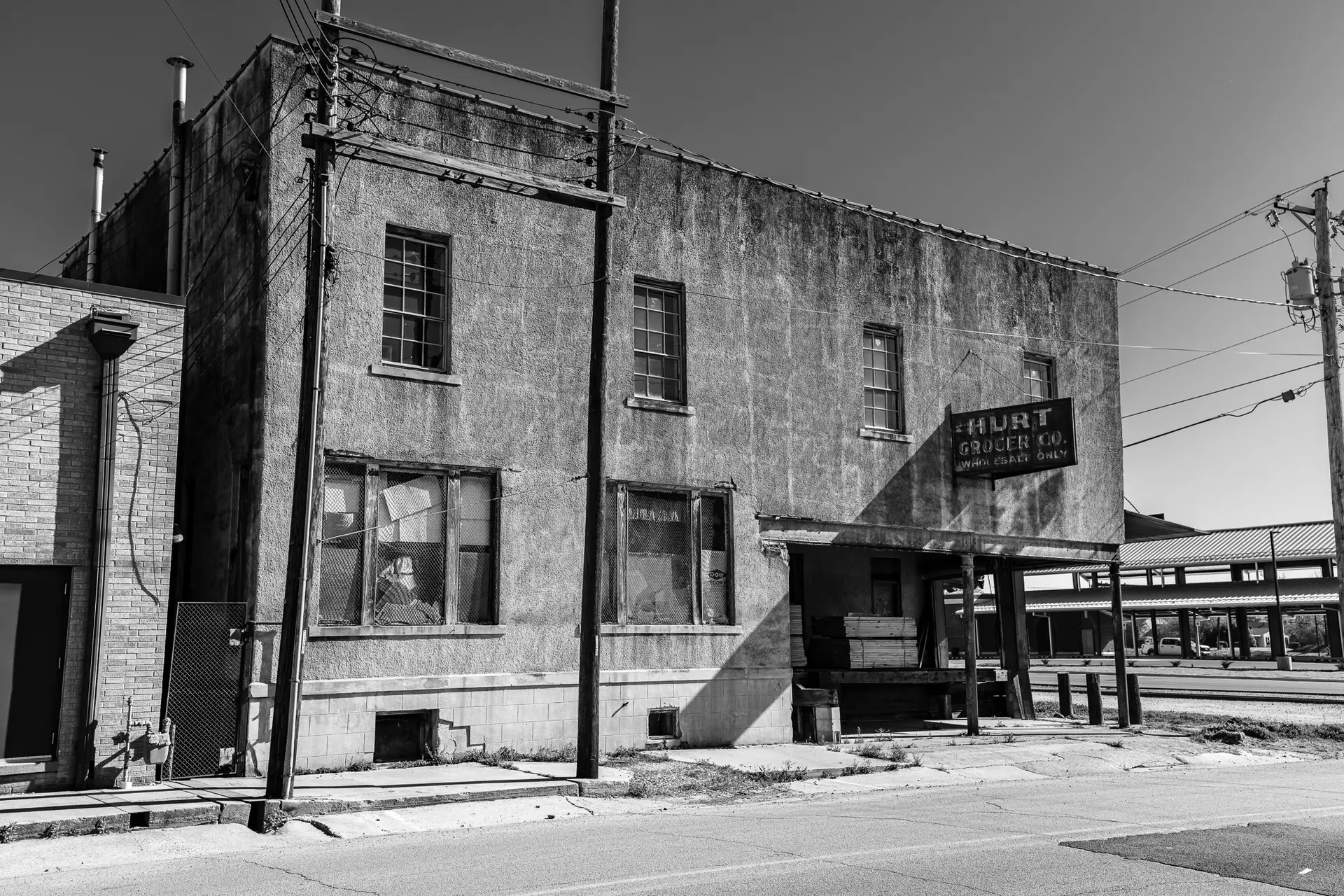
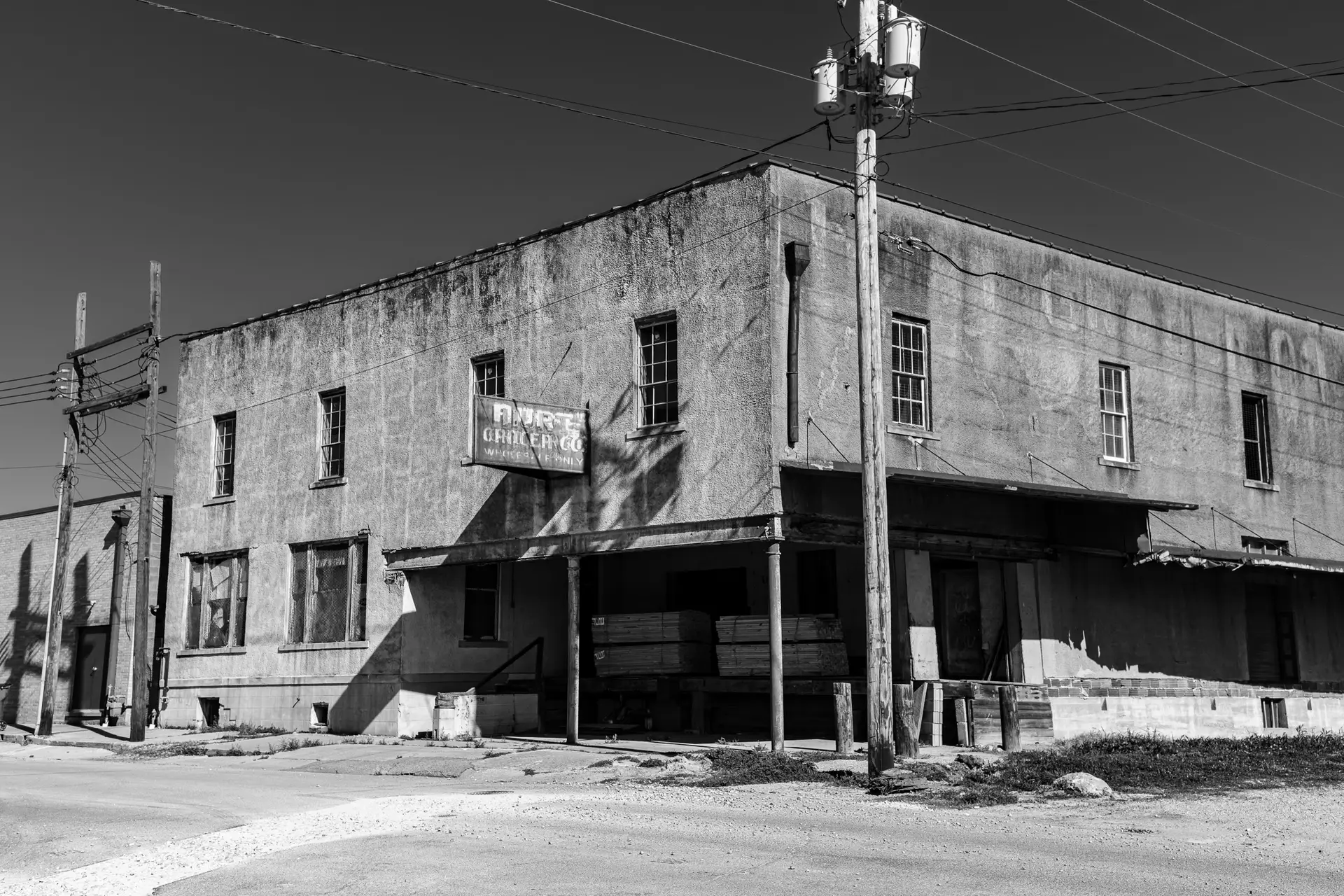
The Hurt Grocer Company was one of Paragould’s anchors in the early 20th century. Managed by J.C. Hurt as early as 1920, the business supplied wholesale groceries and produce to stores across Greene County and beyond. At the time, many towns still depended on small farms and local suppliers. As a result,-
Hurt’s warehouse kept the shelves of Paragould’s markets and general stores stocked.
Hurt Grocer Company: From Function to Folklore
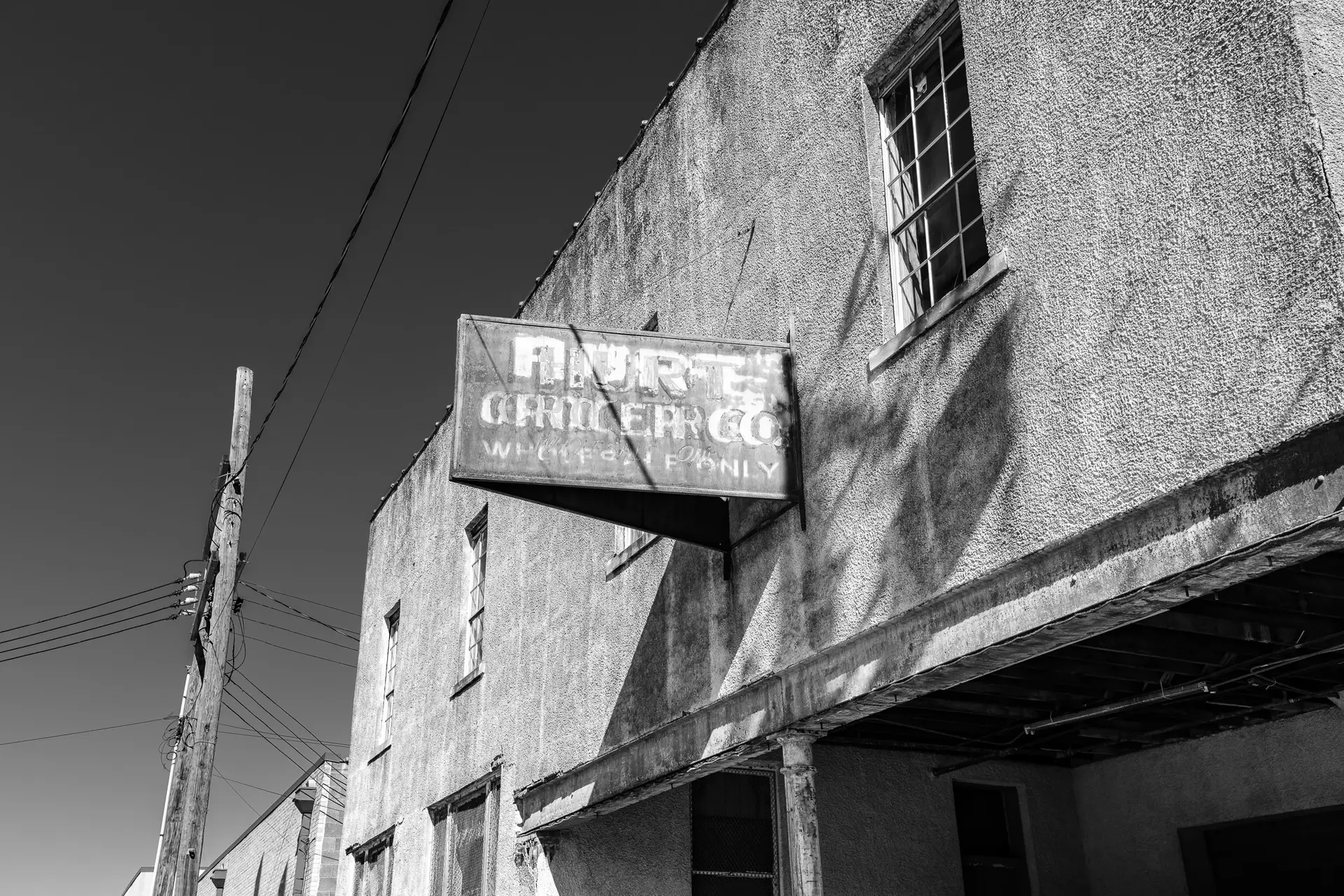
The building reflected that practical purpose. Its sturdy brick front, large storage bays, and painted signs spoke to function more than decoration. A ghost sign still clings to its walls — faint but visible — and once advertised the-
company’s name. By the mid-20th century, regional distributors replaced many small wholesalers. Hurt Grocer carried on through the 1950s, yet eventually it closed like so many others.
Local lore added another layer to its story. For example, residents tell of figures in its upper windows and of voices echoing through empty rooms. Whether believed or not, these tales gave the site a reputation as one of Paragould’s-
“haunted” landmarks. Today, 109 East Court stands quiet but commanding, its faded sign and worn brick reminding passersby that the town’s history was built not only on theaters and department stores but also on the warehouses that kept people fed.
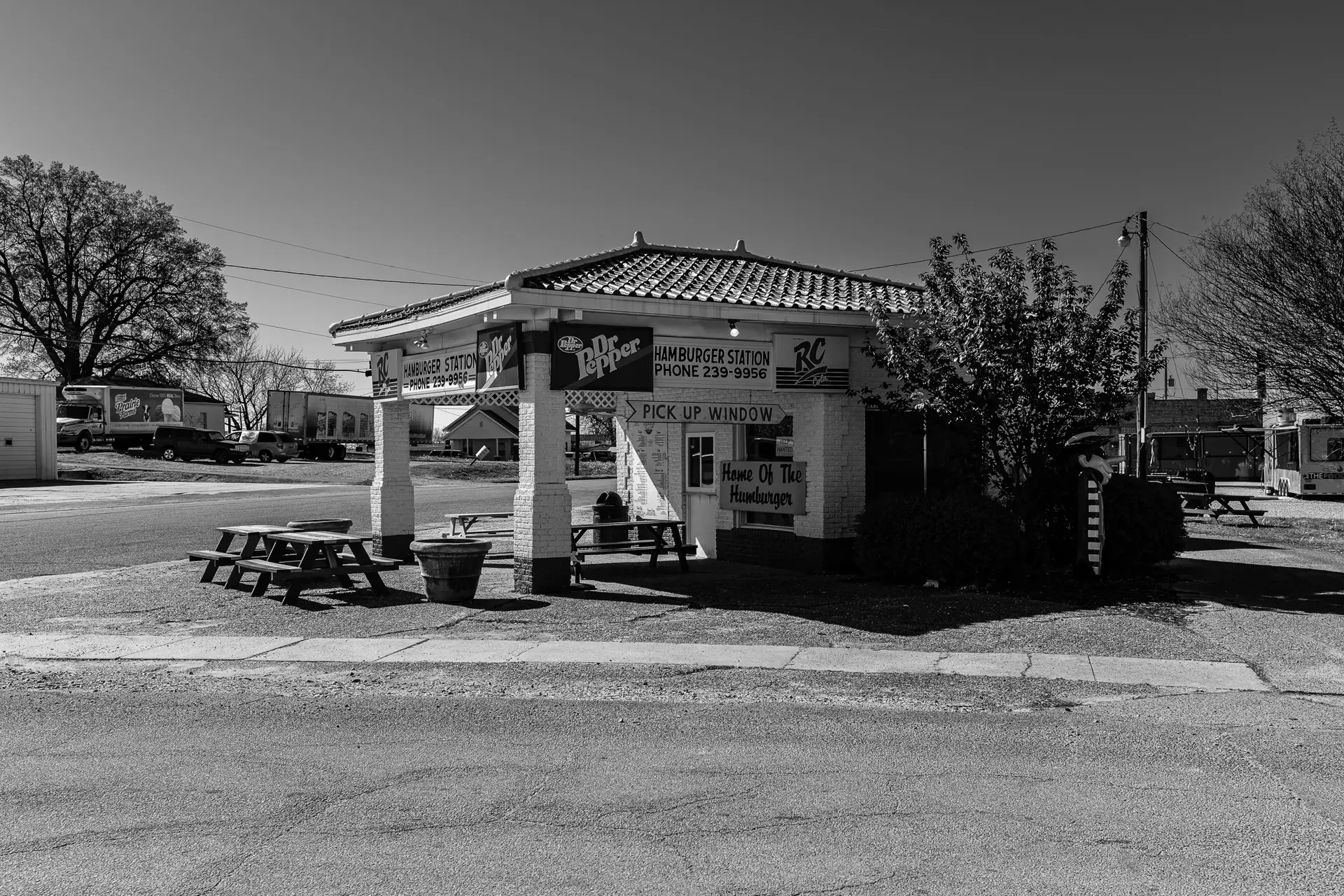
Hamburger Station: 110 East Main Street
Hamburger Station in Paragould stood as one of those classic small-town eateries that left a big impression despite its modest size. At the time, roadside grills like this were more than quick food stops. Friends gathered after school, and families came after ball games or Sunday drives. In addition, workers could count on a hot meal served fast during lunch breaks.
A hamburger hot off the grill, a side of crisp fries, and a cold soda fountain drink offered-
comfort that never went out of style. In contrast to larger diners with neon lights or flashy architecture, Hamburger Station relied on its reputation and the steady rhythm of repeat customers. For decades it remained a dependable spot in Paragould’s daily life, and its memory still lingers for many locals who grew up here.
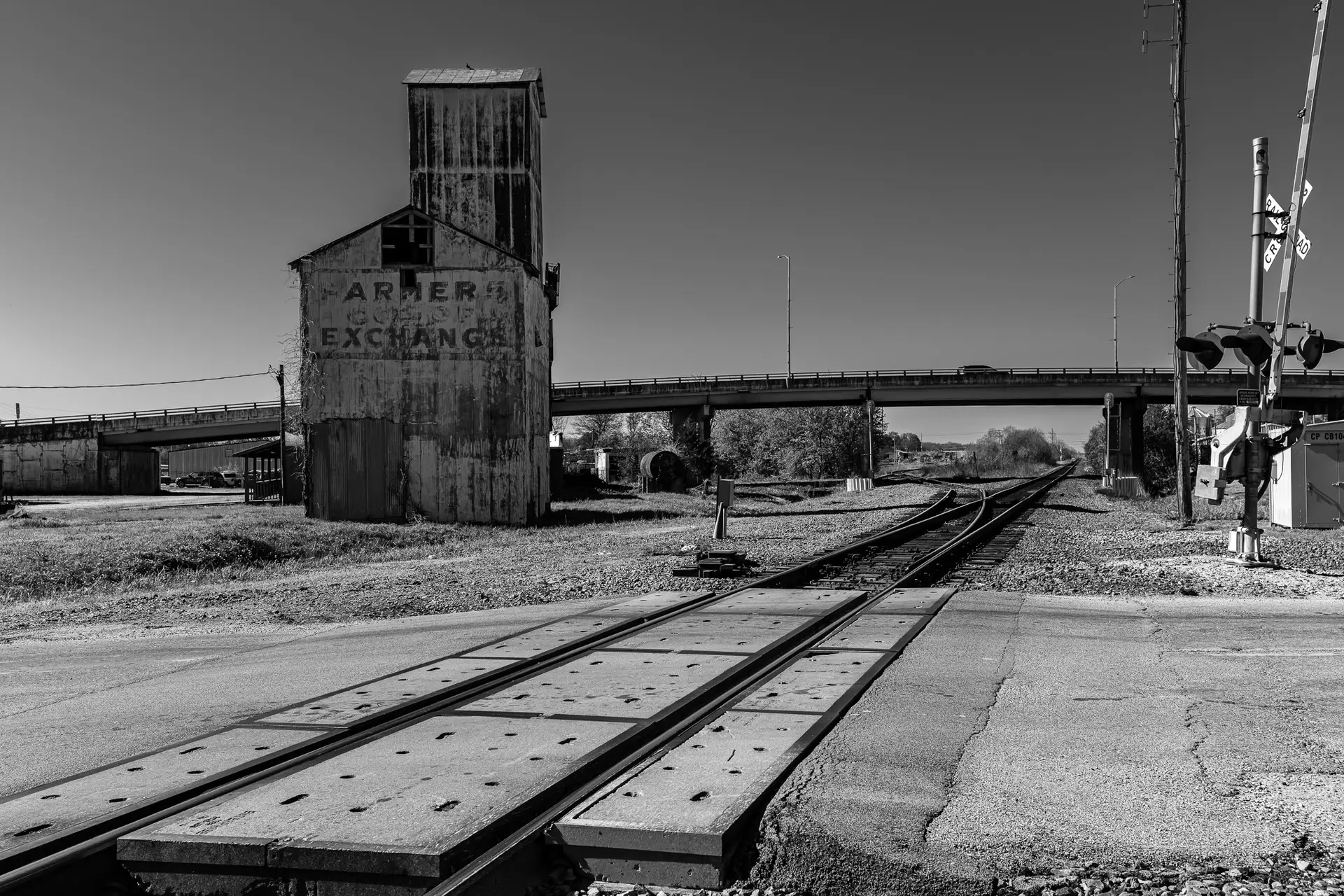
Farmers Exchange: 105 East Kingshighway
The Farmers Exchange in Paragould once played a vital role in linking the town’s merchants with the region’s agricultural community. At the time, Greene County farmers depended on reliable suppliers for seed, feed, and tools, and the Exchange provided all of that under one roof. In addition, it served as a meeting place where neighbors shared news, compared harvests, and discussed local politics.
The sturdy building reflected both function and pride, with wide doors for wagons and later trucks, and construction designed for heavy use. For decades, the Farmers Exchange was more than a business; it was a foundation of rural life in Paragould. Though farming practices have changed and corporate suppliers have replaced many independent exchanges, the building still reminds passersby of an era when agriculture was not just an occupation but the backbone of the town’s economy and culture.
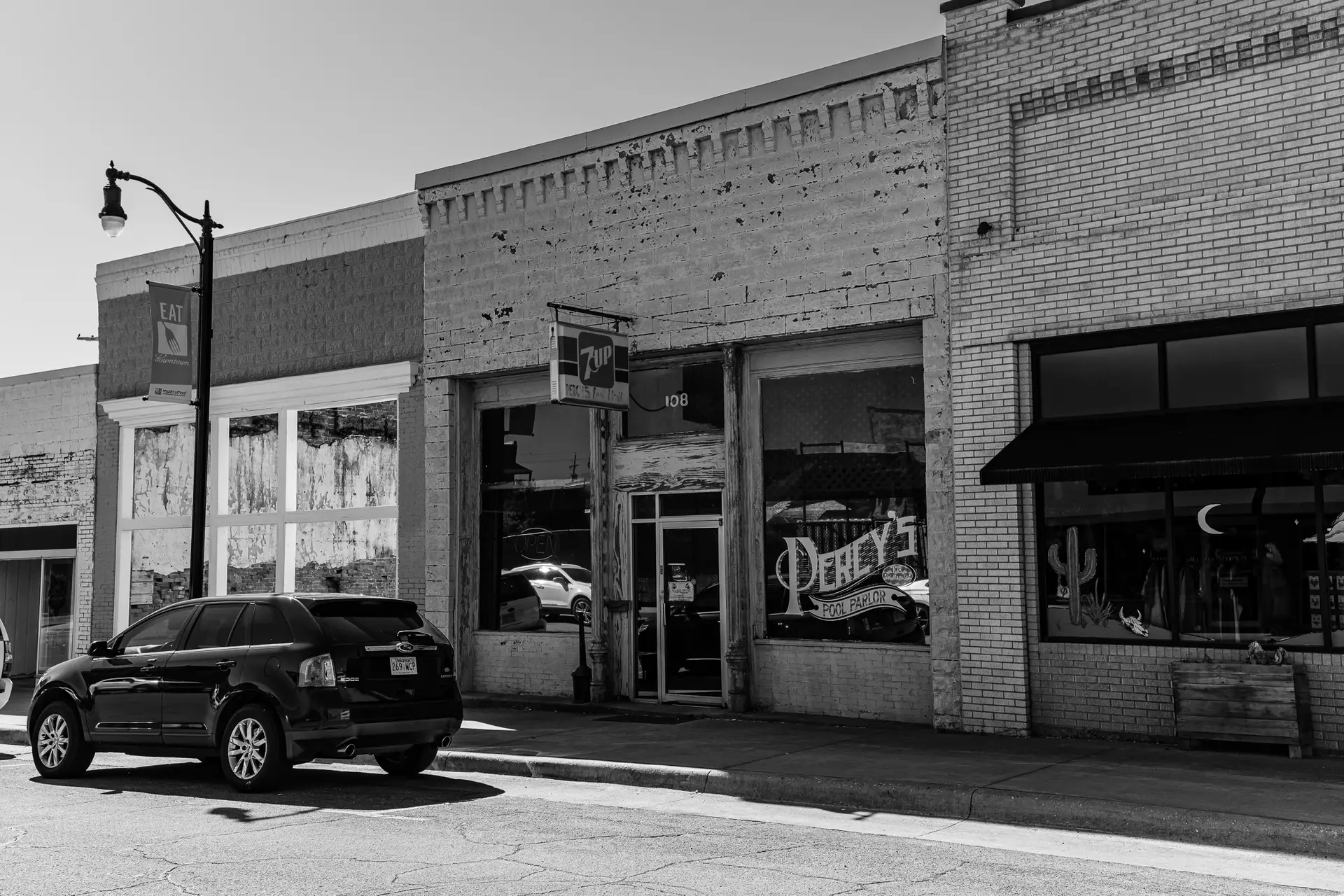
Percy’s Pool Hall: Signs of Local Life
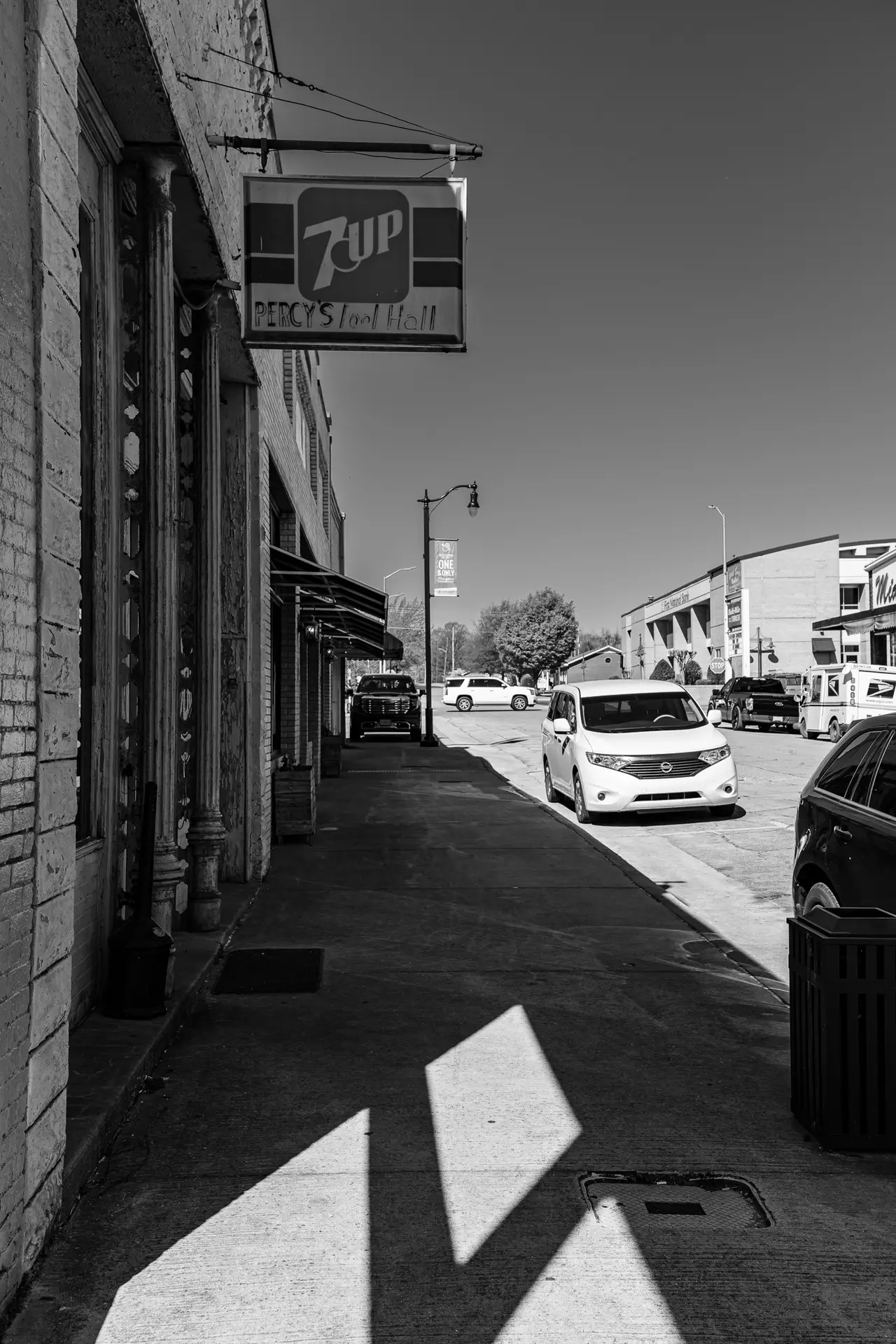
Percy’s Pool Hall is remembered not only for the games played inside but also for its unforgettable signage. At the time, neon pool hall signs were common across small-town America. Percy’s stood out with bold lettering and styling that glowed like a beacon after dark. A vintage 1970s 7-Up sign also hung nearby. Its red and green colors gave the corner a familiar look. Together, the signs promised good company and a familiar rhythm of life in Paragould.
Percy’s Pool Hall: Social Hub of Paragould
Young people gathered to shoot a few racks. Older men came to unwind, swap stories, and pass the time. Inside, the pool hall offered more than tables and cues. Friendships formed there, rivalries played out, and news spread quickly. In addition, Percy’s gave locals a refuge after long workdays. The sound of clacking balls, a haze of smoke, and the neon glow created an unmistakable atmosphere. Families knew where their sons would be on Friday nights. Travelers recognized the sign as a symbol of small-town life.
Greene County Courthouse: 300 West Court Street
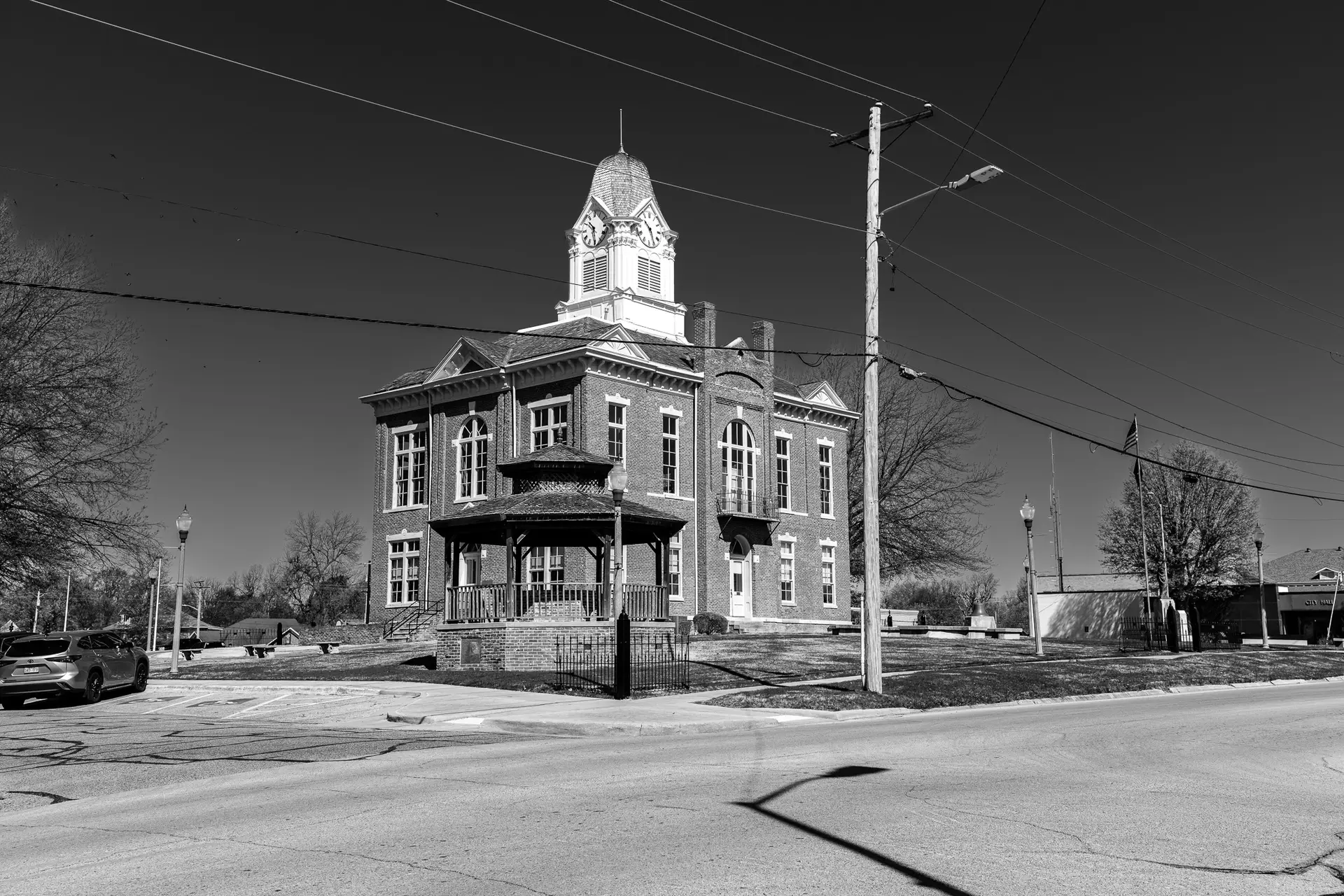
The Greene County Courthouse at 300 West Court Street stands as a symbol of civic pride and local identity. Builders completed it in 1888, and a remodel followed in the early twentieth century. The courthouse reflects the solid, dignified style typical of county seats across Arkansas.
At the time, it served as the center of government and a gathering place for-
residents. People came to conduct business, attend trials, or meet neighbors on the square. In addition, the courthouse lawn hosted rallies, speeches, and community celebrations. Its tall clock tower still dominates the square and reminds visitors of an era when architecture conveyed authority and permanence.
Dog N Suds: Drive-In Dining Tradition
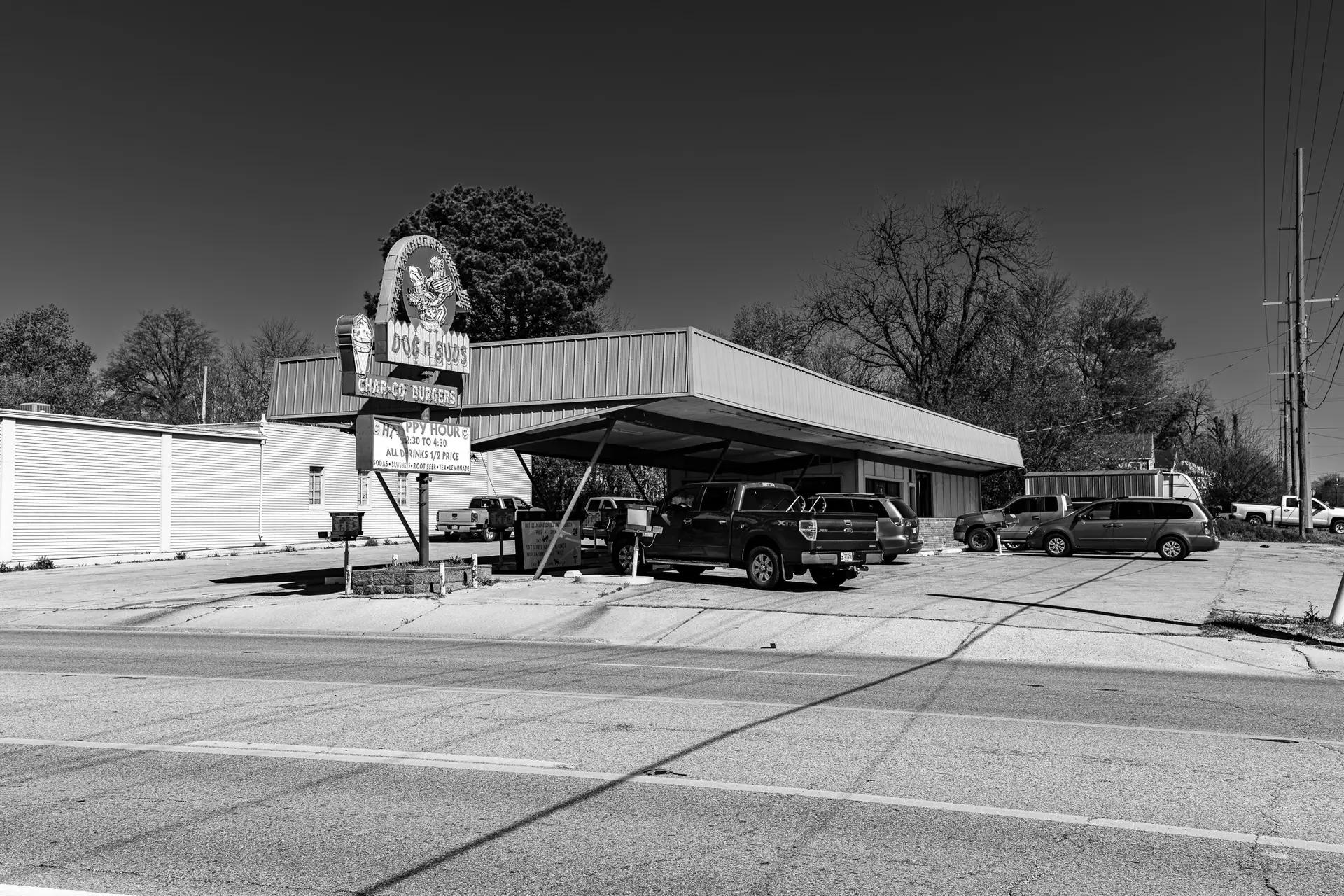
Dog N Suds in Paragould brought classic American car culture to Greene County. The chain expanded here in the 1950s, offering curbside trays of burgers, fries, and root beer. Carhops carried food directly to waiting drivers.
At the time, a drive-in meal was more than a quick stop. It was an experience that combined food and fun. Teenagers cruised in with friends. Families enjoyed supper under the neon-
lights, while the smell of hot dogs and barbecue filled the air. In addition, Dog N Suds became a Friday night tradition, a gathering spot before ballgames or after dates. Though most locations closed, Paragould’s drive-in remains part of the town’s shared dining history.
Gulf Station to Street Tacos: 301 South 3rd Street
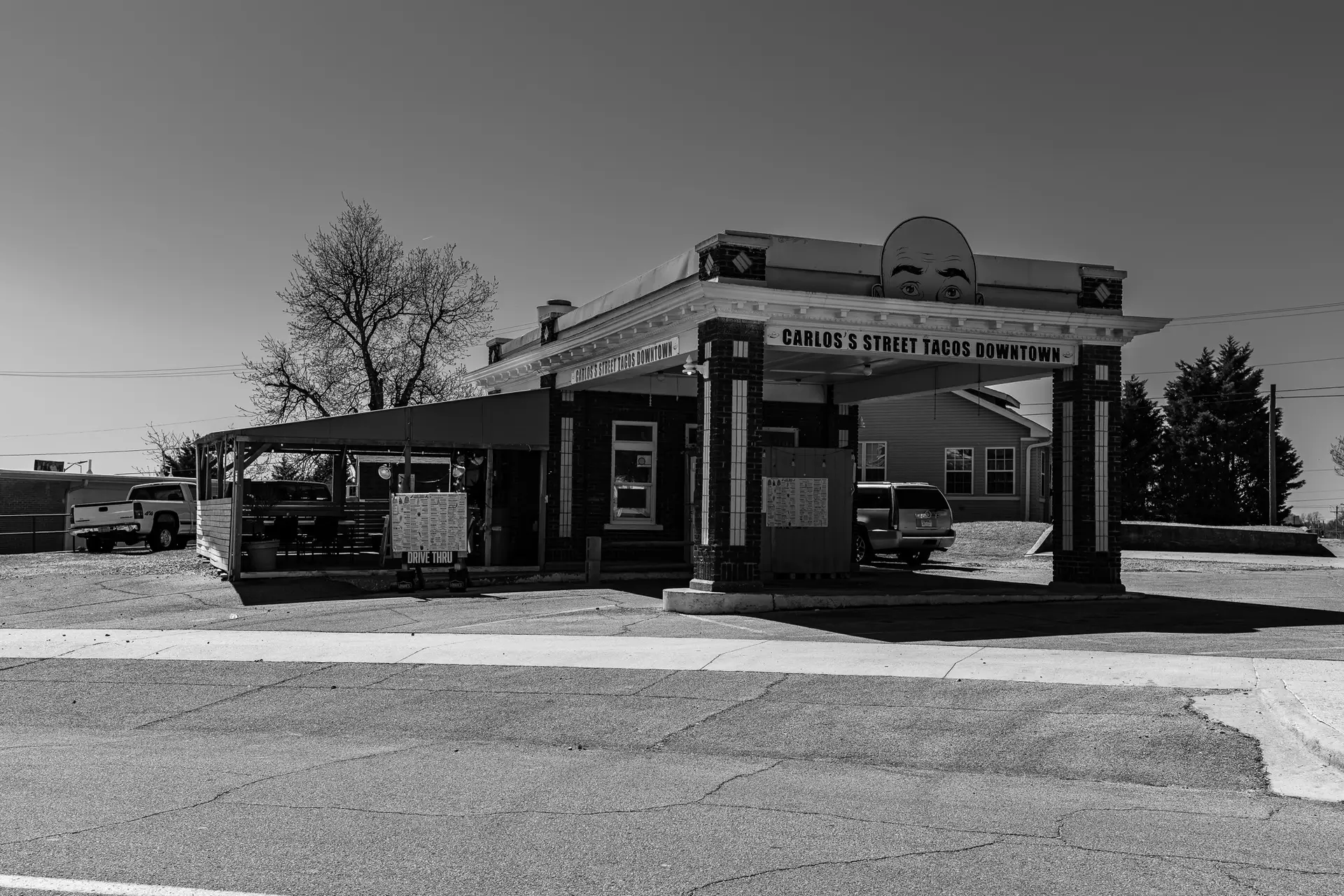
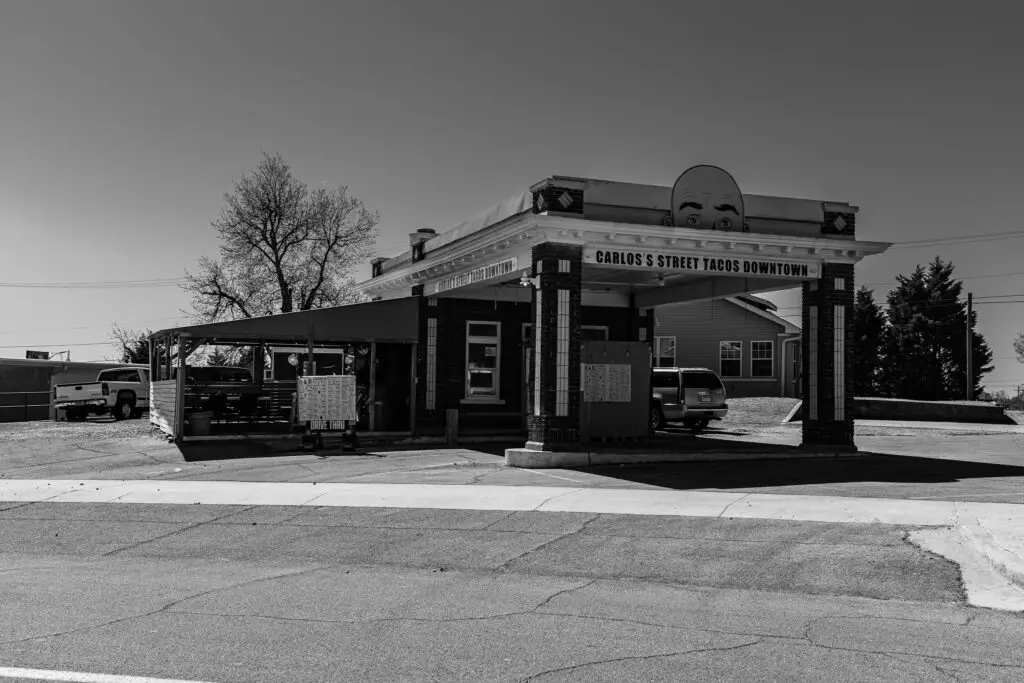
At 301 South 3rd Street in Paragould, a former Gulf service station has taken on new life as Carlos’s Street Tacos. Gulf built stations with clean lines, large windows, and bright signs to attract passing motorists. This corner reminded drivers of the automobile’s central role in mid-century small-town America.
Today the building welcomes diners with the aroma of grilled meats and fresh tortillas. The-
change shows how historic structures can adapt while still keeping roadside charm. In contrast to many stations demolished or abandoned, this one survives by serving a different kind of traveler. Locals and visitors come for tacos, and the spot connects Paragould’s past with its present.
Closing Reflections
Paragould’s landmarks show a town that has adapted through railroads, retail booms, and the car age. The Collins Theatre, Trice Building, Farmers Exchange, and Dog N Suds each carry part of the story. Some stand restored, others weathered, but all reveal layers of history.
Walking these streets in April 2023, I found ghost signs, vintage marquees, and reused gas stations that still speak to the past. Paragould is a place of resilience. Its downtown is proof that small-town America holds stories as rich as any big city.
Safe travels, RJ.